Winter puts a lot of stress on a furnace, and by the time the season ends, many homeowners start noticing changes they did not see before.
After months of heavy use, it is normal to wonder whether your furnace still has years of life left or if replacement would be the smarter next step.
Understanding how winter wear affects performance, efficiency, and reliability can help you decide whether repairs are warranted or whether upgrading now could save you money and frustration in the long run.
What Winter Wear and Tear Does to Your Furnace
Winter is when your furnace works the hardest. Months of frequent cycling, cold outdoor temperatures, and higher demand place constant strain on internal components.
Motors, burners, heat exchangers, and ignition systems all experience more wear as the system runs longer and more often.
Over time, this repeated stress can reduce efficiency, loosen connections, and increase the likelihood of breakdowns as the system ages.
Even furnaces that made it through winter without a major failure may still be carrying hidden wear. Small issues that did not cause immediate problems during the season can surface later, leading to uneven heating, louder operation, or reduced reliability when the system is needed again.
Longer Run Times and Increased Mechanical Stress
As a furnace ages or loses efficiency, it often needs to run longer to maintain comfortable indoor temperatures. Longer run times mean components are operating for extended periods, which accelerates wear on moving parts like the blower motor and increases heat stress on critical elements inside the system.
This added mechanical stress can lead to higher energy use, inconsistent comfort, and more frequent service calls. Over time, the system may struggle to keep up during colder days, signaling that repairs may become more frequent and less cost-effective compared to replacing the unit with a more efficient model.
Signs Your Furnace May Be Near the End of Its Lifespan
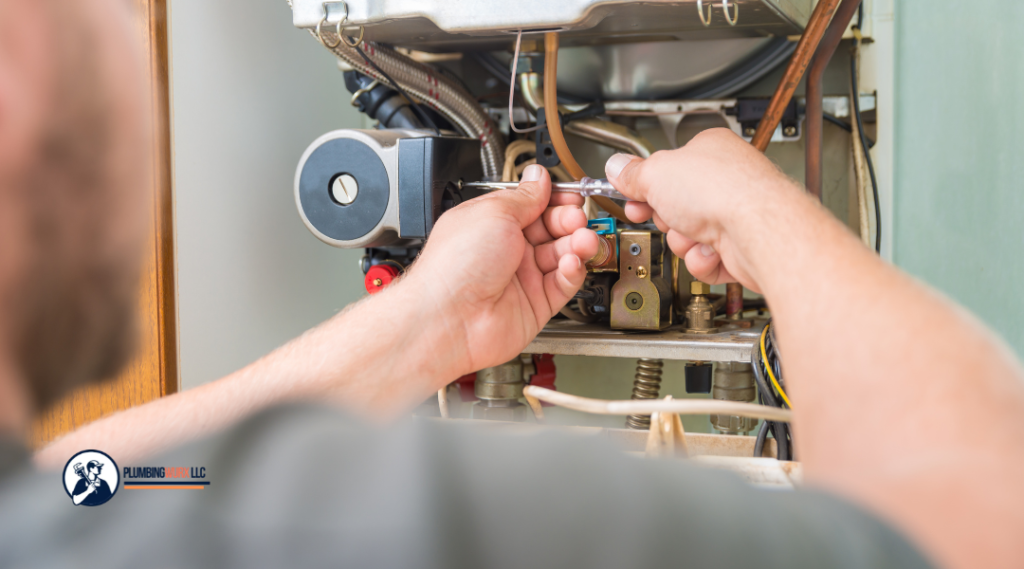
As furnaces age, performance often declines gradually rather than all at once. Changes in comfort, efficiency, and sound are usually the first indicators that the system is reaching the later stages of its lifespan. Recognizing these signs early can help homeowners plan ahead instead of reacting to a sudden breakdown.
Rising Energy Bills Without Better Comfort
If your heating bills continue to climb but your home does not feel warmer or more comfortable, your furnace may be losing efficiency. Older systems often require more energy to produce the same level of heat, especially after years of winter use. This inefficiency forces the furnace to work harder and longer, driving up costs without improving comfort.
Uneven Heating Throughout the Home
Cold rooms, warm spots, or noticeable temperature differences between floors can signal that a furnace is no longer distributing heat effectively. While duct issues can contribute, aging furnaces often struggle to maintain consistent output. As components wear down, the system may have difficulty pushing warm air evenly throughout the home.
New or Increasing Noises During Operation
A furnace that starts making unfamiliar or louder noises should not be ignored. Rattling, banging, squealing, or humming sounds can point to worn bearings, loose components, or strain on internal parts. As these noises become more frequent or intense, they often indicate that the system is under stress and nearing the end of reliable operation.
When Furnace Repair Is No Longer the Best Option
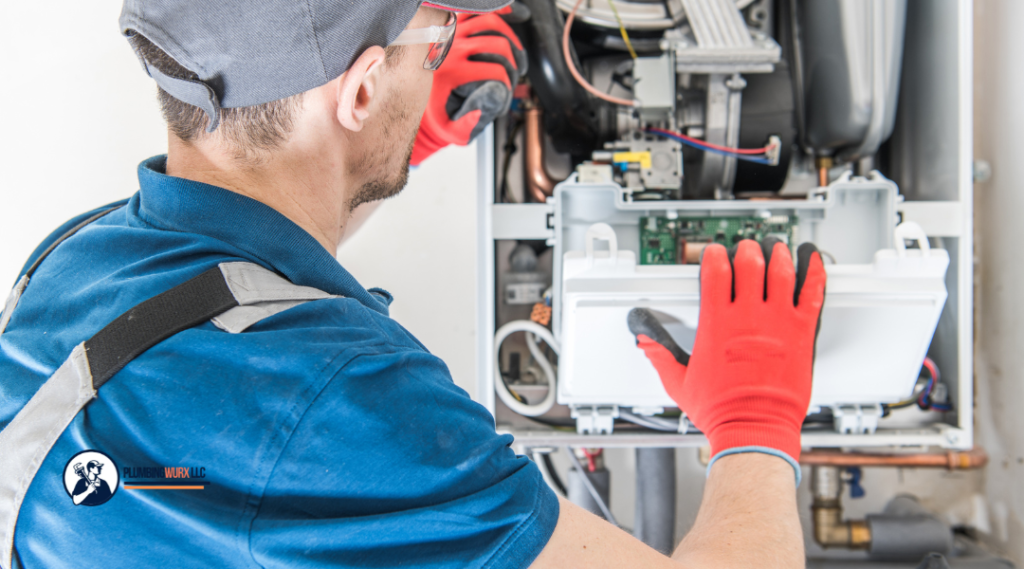
There comes a point when repairing an aging furnace no longer makes practical or financial sense. Repeated service calls, declining performance, and ongoing comfort issues often signal that the system is reaching the end of its reliable lifespan.
At this stage, repairs may temporarily restore operation, but they rarely address the underlying wear affecting efficiency and safety. The HVACWurx team helps homeowners evaluate whether continued repairs are truly solving the problem or simply delaying an inevitable replacement.
Safety and Reliability Concerns in Older Furnaces
Older furnaces can develop safety risks that are not always obvious during daily use. Cracked heat exchangers, failing ignition systems, or worn electrical components can compromise reliability and, in some cases, pose serious hazards. HVACWurx performs thorough system evaluations to identify these risks and explain them clearly, so homeowners can make informed decisions that prioritize safety and long-term peace of mind rather than short-term fixes.
Why Late Winter and Early Spring Are Ideal for Furnace Replacement
Replacing a furnace does not have to be a last-minute decision made during a breakdown. Late winter and early spring offer an ideal window to upgrade your system while demand is lower and scheduling is more flexible. HVACWurx helps homeowners take advantage of this timing to ensure a smooth, stress-free replacement process.
More Flexible Scheduling and Faster Install Times
During peak heating season, replacement timelines can be tight. Late winter and early spring typically allow for more flexible scheduling and faster installation. This means less disruption to your home and more time to focus on proper system sizing, efficiency options, and installation quality rather than rushing a decision during an emergency.
Planning Ahead Before Next Heating Season
Replacing your furnace before the next cold season removes the uncertainty of wondering whether your system will make it through another winter. HVACWurx helps homeowners plan proactively, ensuring the new system is properly selected, installed, and ready long before temperatures drop again.
Improved Comfort and Efficiency Year-Round
Modern furnaces offer more consistent heating, quieter operation, and significantly improved energy efficiency. Upgrading early allows homeowners to experience better comfort right away and enjoy lower energy costs moving forward. HVACWurx focuses on system performance as a whole, helping ensure your new furnace supports comfort and efficiency year-round, not just during winter.
Talk to HVACWurx About Furnace Replacement Options!
Partnering with HVACWurx for all your HVAC and heating needs means you’re choosing a trusted partner dedicated to your home’s long-term comfort and safety.
Contact us today at 301-264-7577 or visit us at 1044 Virginia Ave, Hagerstown, MD 21740.
We’re a family-owned business and pride ourselves on our quality craft and top-notch customer service!