
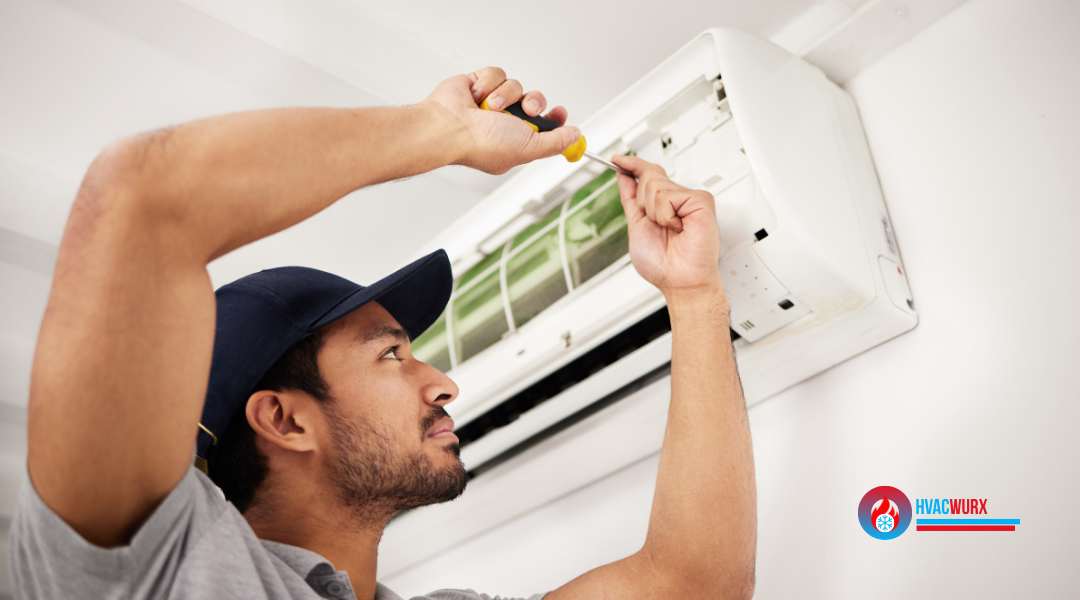
An air conditioner is never completely silent, but a new rattling, buzzing, banging, or screeching noise can make you wonder whether your system is about to fail.
Some noises are simply signs of normal operation or minor wear. Others can indicate loose components, airflow issues, or internal damage that will only worsen if ignored. The challenge is knowing which sounds are warning signs and which ones are not worth panicking over.
Understanding what a loud air conditioning unit is trying to tell you can help you catch problems early, avoid serious damage, and prevent a minor issue from escalating into an expensive repair.
Why Air Conditioning Units Make Noise
Air conditioning units rely on several moving parts working together to cool your home, so some noise is completely normal. Fans spin, compressors cycle on and off, and refrigerant flows through the system, all of which generate noise during normal operation. When everything is functioning properly, these sounds are usually steady and familiar.
Problems arise when the type, volume, or timing of the noise changes. Loose components, worn bearings, or debris inside the unit can cause rattling or clanking. Strain on the compressor or restricted airflow can cause louder humming, buzzing, or vibration as the system works harder than it should.
Noise can also increase as a system ages or after heavy seasonal use. Small issues that start as minor sounds often grow louder over time, signaling that parts are wearing down or falling out of alignment. Understanding why air conditioning units make noise helps distinguish between normal operation and early signs that the system may need attention.
Normal Operating Sounds vs. Problem Noises
Every air conditioning system makes some noise during normal operation. A steady hum from the compressor, the sound of air moving through vents, or a brief click when the system turns on or off are all typical. These sounds are consistent and familiar, and they do not change much over time.
Problem noises stand out because they are new, louder, irregular, or disruptive. If a sound suddenly appears, grows more intense, or occurs frequently, it is often a sign that something inside the system is no longer working as intended. Paying attention to changes in sound is one of the easiest ways to spot trouble early.
How Age and Wear Affect AC Noise Levels
As an air conditioning unit ages, internal components naturally experience wear. Bearings loosen, mounts weaken, and moving parts may fall slightly out of alignment. These changes can increase vibration and noise, even if the system is still cooling.
Older systems also tend to work harder to maintain comfort, especially during hot weather. That extra strain can amplify normal operating sounds and turn minor issues into noticeable noise. What starts as a faint rattle or hum can grow into a persistent warning sign if left unaddressed.
Common Noises That Shouldn’t Be Ignored
- Banging or Clanking Sounds: These noises often point to loose or broken parts inside the unit. A component may strike the cabinet or another part while the system is running, which can cause further damage if left unaddressed.
- Grinding, Screeching, or High-Pitched Noises: These sounds frequently indicate friction or mechanical failure. Worn bearings, motor issues, or fan problems can produce sharp or piercing noises that signal the system is under serious stress.
- Buzzing, Humming, or Electrical Sounds: Electrical-related noises may come from failing capacitors, loose wiring, or issues with the compressor. While a low hum can be normal, loud or persistent buzzing should always be checked promptly.
What a Loud Air Conditioning Unit Could Signal
- Loose or Broken Internal Components: Vibration can cause screws, panels, or internal parts to loosen over time. When components move freely inside the unit, they create noise and increase the risk of additional damage.
- Motor or Fan Assembly Problems: The fan and motor are responsible for moving air through the system. If these parts are damaged, unbalanced, or worn, they can generate excessive noise and reduce airflow, reducing system efficiency.
- Refrigerant and Pressure-Related Issues: Problems with refrigerant levels or internal pressure can cause the compressor to operate at a higher-than-necessary load. This added strain often manifests as increased operating noise and can lead to more severe system damage if not corrected.
Why Professional Inspection Matters
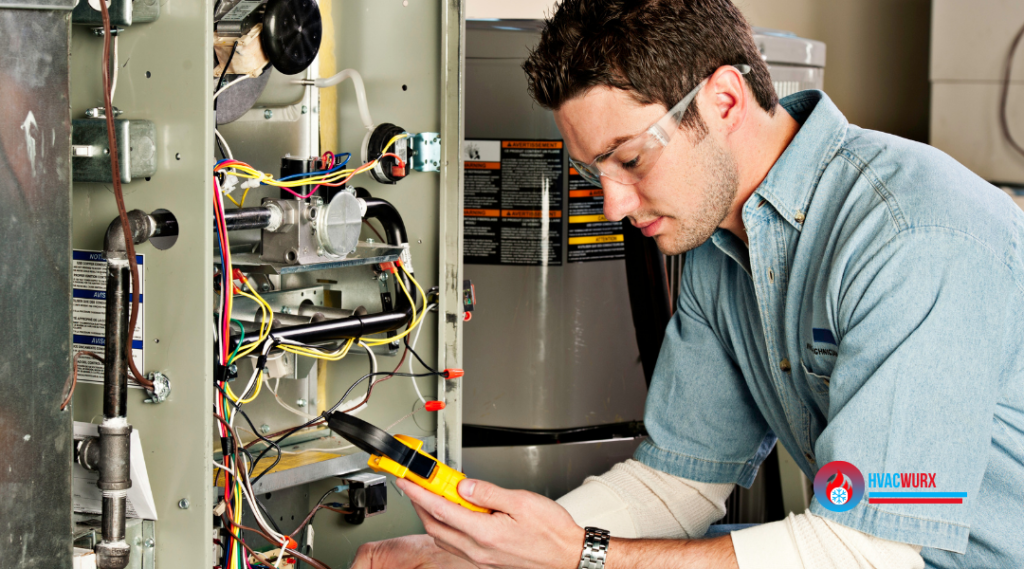
When an air conditioning unit becomes loud, the cause is often hidden within the system, making diagnosis difficult without the right tools and experience. A professional inspection goes beyond identifying the noise itself and focuses on the root cause of the system working harder or operating abnormally.
The HVACWurx team is trained to recognize subtle warning signs that homeowners may not notice until serious damage occurs.
HVACWurx approaches noisy AC systems with a system-wide evaluation. This includes checking internal components, airflow, electrical connections, and refrigerant performance to determine whether the issue is minor wear or a developing mechanical problem.
Addressing the root cause early can prevent further damage, reduce repair costs, and restore quieter, more efficient operation.
Professional inspection also provides clarity and peace of mind. Instead of guessing whether a sound is normal or a sign of failure, HVACWurx delivers clear explanations and practical recommendations so homeowners can make confident decisions about repairs, maintenance, or next steps.
Get Expert Air Conditioning Help From HVACWurx!
Partnering with HVACWurx for all your HVAC and heating needs means you’re choosing a trusted partner dedicated to your home’s long-term comfort and safety.
Contact us today at 301-264-7577 or visit us at 1044 Virginia Ave, Hagerstown, MD 21740.
We’re a family-owned business and pride ourselves on our quality craft and top-notch customer service!