
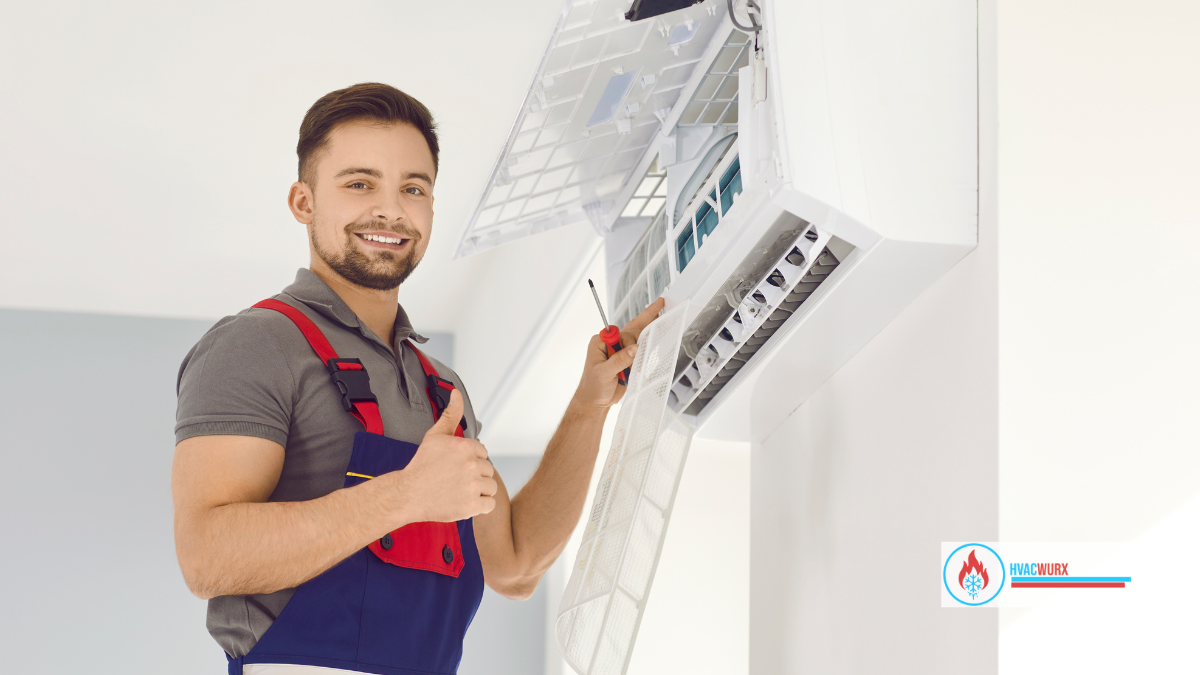
A spring HVAC maintenance checklist is more than routine upkeep. It is a strategic way to protect your investment, improve energy efficiency, and extend the life of your heating and cooling equipment.
Small tasks such as filter replacements, airflow checks, and system inspections can make a significant difference in how smoothly your home stays comfortable year-round.
HVAC Maintenance List for Year-Round Home Comfort
While much of the focus shifts toward preparing for cooling, it is equally important to assess how your heating system performed over winter.
Addressing heating components now prevents off-season deterioration and reduces the risk of breakdowns when cold weather returns.
Spring is the ideal time to evaluate system condition, identify developing issues, and make necessary adjustments while the equipment is not under heavy demand.
Heating System Checks After Winter
After months of continuous operation, heating systems often show signs of wear that are not immediately obvious. Even if your furnace or boiler kept your home warm without issue, internal components may have experienced strain.
A post-winter inspection helps detect minor concerns such as worn parts, airflow restrictions, ignition issues, or pressure inconsistencies. Catching these early ensures your system will be reliable when temperatures drop again.
Inspecting Furnaces, Boilers, and Combi Boilers
Different heating systems require tailored inspections. Furnaces are checked for burner performance, heat exchanger condition, blower operation, and filter cleanliness. Boilers and combi boilers are evaluated for pressure stability, pump function, valve integrity, and signs of corrosion or leaks.
Connections, vents, and exhaust systems are also reviewed to ensure safe operation. A thorough inspection helps confirm that all components remain structurally sound and ready for future use.
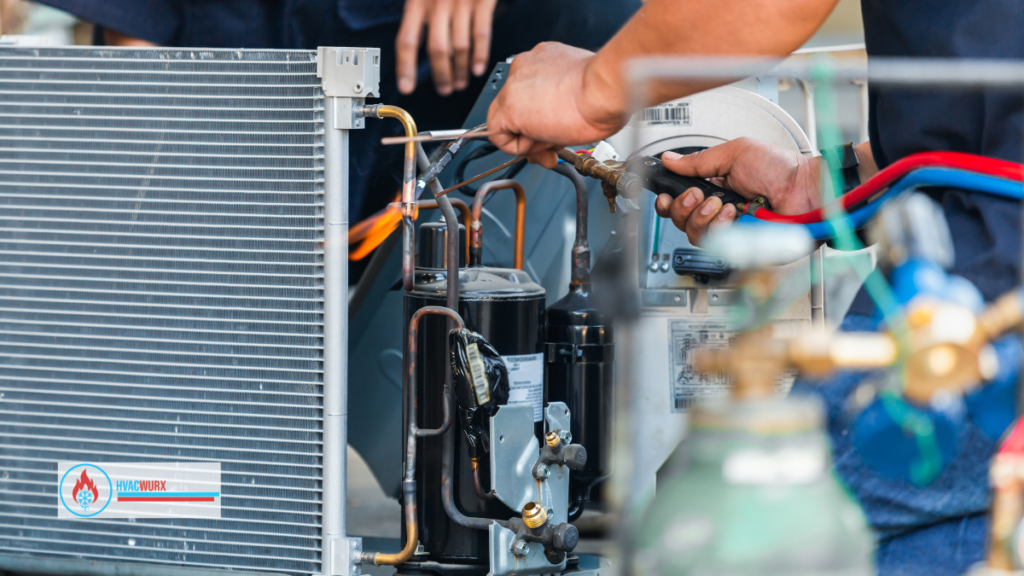
Identifying Wear Before the Next Heating Season
Normal expansion and contraction during winter operation can loosen fittings, strain motors, and weaken electrical components. Over time, small amounts of wear accumulate and may not become noticeable until the next heating season begins.
By identifying aging parts, minor cracks, or deteriorating seals now, you can schedule repairs proactively rather than face emergency service during colder months.
Testing System Efficiency and Performance
Even if your heating system functioned throughout winter, it may not have operated at peak efficiency. Performance testing evaluates airflow, temperature output, fuel usage, and overall system responsiveness.
Ensuring your heating equipment runs efficiently not only supports year-round reliability but can also reduce energy costs and extend equipment lifespan. A spring maintenance check keeps your system prepared, balanced, and ready for the seasons ahead.
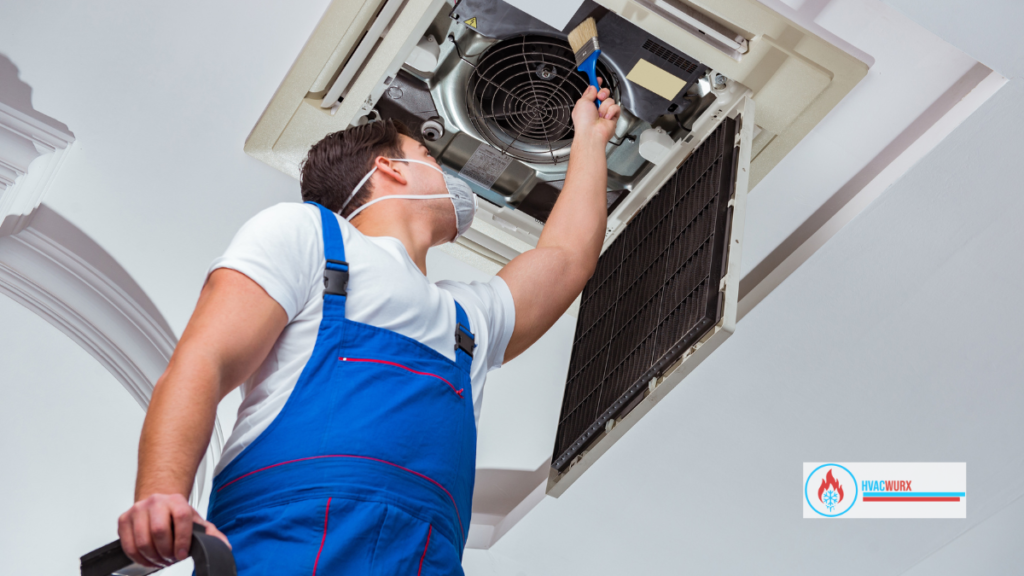
Heat Pump Maintenance for Seasonal Transitions
Heat pumps work year-round, switching between heating in winter and cooling in summer. Because they operate in both modes, seasonal transitions place added demands on the system. Spring is the ideal time to ensure your heat pump is ready to shift from heating to cooling without performance issues.
A seasonal maintenance check helps confirm that all components are functioning properly, airflow is unrestricted, and the system can handle rising temperatures efficiently.
Checking Heating and Cooling Modes
During maintenance, technicians test both heating and cooling modes to ensure smooth operation. Even though winter has ended, verifying heating performance confirms that reversing valves, compressors, and internal controls are still functioning correctly.
Cooling mode is carefully evaluated to ensure the system can effectively remove heat from your home. This includes checking temperature differentials, refrigerant pressures, and thermostat communication. Confirming both modes operate properly ensures your heat pump is balanced and responsive as seasons change.
Inspecting Coils, Filters, and Electrical Components
Clean coils are essential for efficient heat transfer. Over time, dirt and debris accumulate on indoor and outdoor coils, reducing system efficiency and forcing the unit to work harder. Spring maintenance includes cleaning and inspecting these coils to restore optimal performance.
Air filters are checked and replaced if needed to maintain proper airflow and indoor air quality. Restricted airflow can strain the blower motor and reduce overall efficiency.
Electrical components, including capacitors, contactors, wiring, and connections, are also inspected for wear or corrosion. Tightening connections and identifying aging parts early helps prevent electrical failures and supports safe, reliable operation throughout the warmer months.
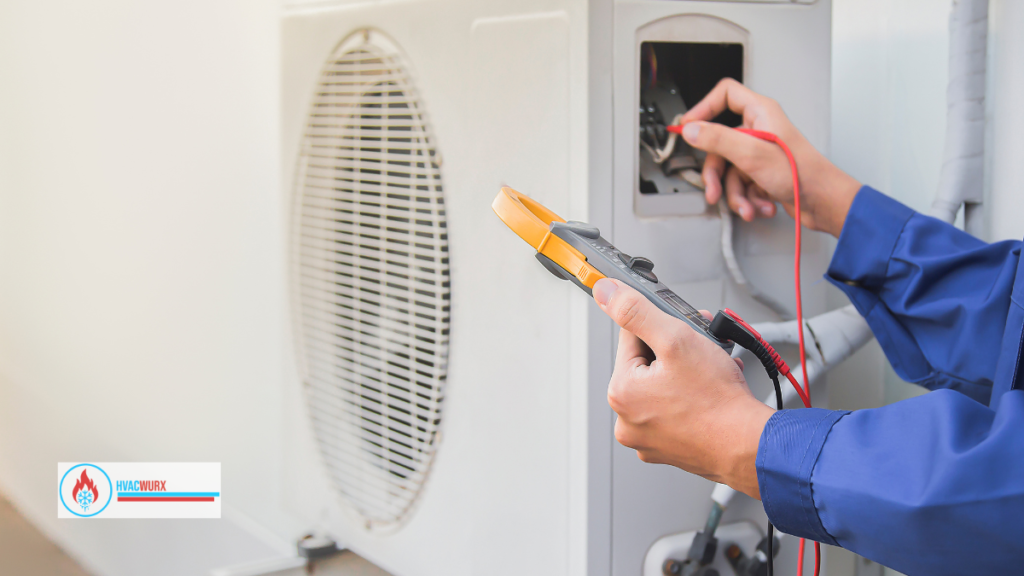
Preparing Your Cooling System for Summer
As temperatures begin to rise, your cooling system will soon shift into high demand. Preparing it in spring ensures reliable performance, better efficiency, and fewer midsummer surprises. A few proactive steps now can make a significant difference in comfort, indoor air quality, and the long-term lifespan of equipment.
Taking the time to inspect, clean, and fine-tune your system before peak heat arrives helps prevent emergency breakdowns and keeps energy costs under control.
Replacing Air Filters and Cleaning Coils
Air filters should be checked at the start of every cooling season. Dirty or clogged filters restrict airflow, forcing your system to work harder and reducing efficiency. Replacing filters improves airflow, supports indoor air quality, and reduces strain on the blower motor.
Cooling coils also need attention. Over time, dust and debris collect on evaporator and condenser coils, limiting their ability to transfer heat effectively. Cleaning these coils restores efficiency, improves cooling performance, and helps lower energy consumption during the hottest months.
Inspecting Ductwork and Airflow
Your duct system plays a critical role in delivering cool air throughout your home. Leaks, loose connections, or blockages in ductwork can reduce airflow and create uneven temperatures between rooms.
Inspecting ducts for visible damage and ensuring vents are unobstructed allows your system to distribute air more evenly. Proper airflow not only improves comfort but also reduces the workload on your cooling equipment.
Scheduling a Professional Tune-Up Early
Spring is the ideal time to schedule a professional HVAC tune-up before service calendars fill up in summer. Early maintenance allows technicians to test refrigerant levels, check electrical components, calibrate the thermostat, and confirm the system is operating safely and efficiently.
Ventilation and Filtration Upgrades
Spring is also a good opportunity to consider improvements that enhance air quality and system performance. Upgraded filtration systems can capture finer particles such as dust, allergens, and pet dander, supporting a healthier indoor environment.
Improving ventilation through system adjustments or added components can enhance airflow and maintain balanced indoor temperatures. These upgrades contribute to greater comfort, cleaner air, and improved overall system efficiency throughout the summer season.
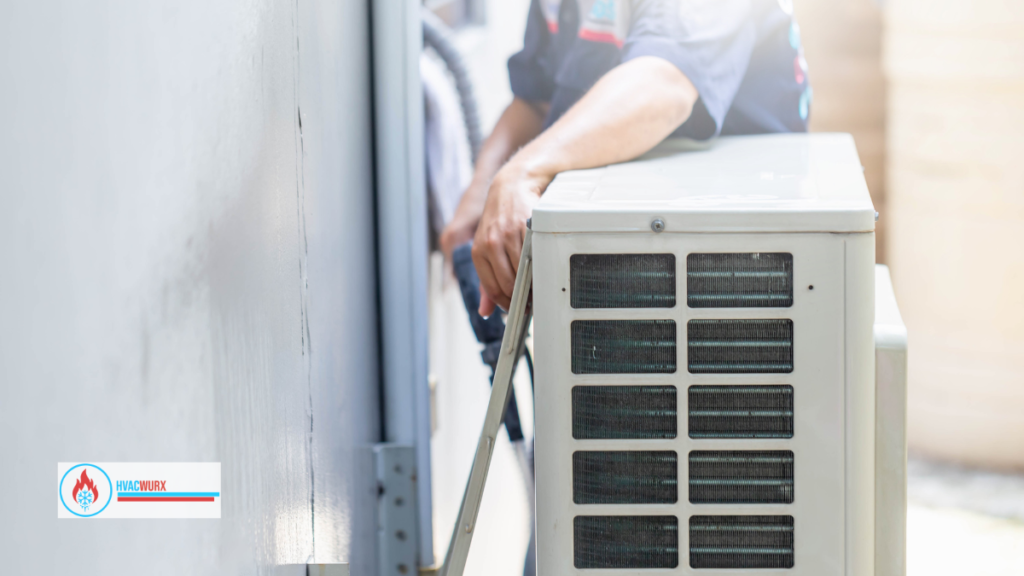
Spring Maintenance with HVACWurx Supports Year-Round Comfort!
Partnering with HVACWurx for all your HVAC and heating needs means you’re choosing a trusted partner dedicated to your home’s long-term comfort and safety.
Contact us today at 301-264-7577 or visit us at 1044 Virginia Ave, Hagerstown, MD 21740.
We’re a family-owned business and pride ourselves on our quality craft and top-notch customer service!