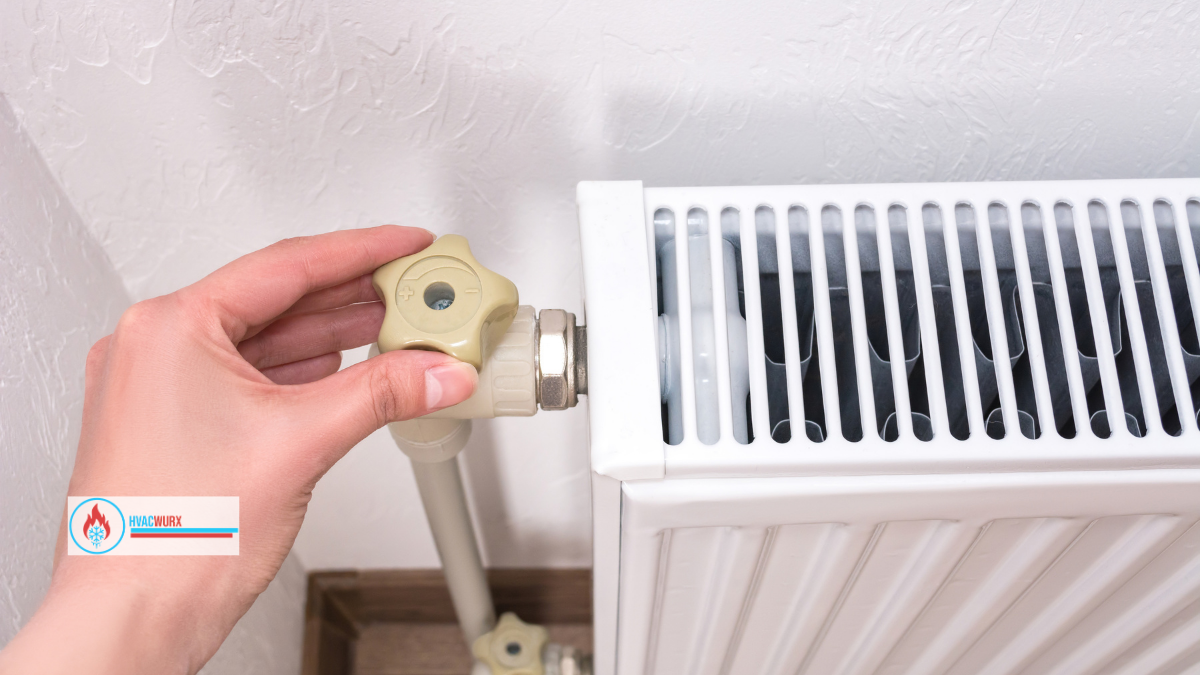
As winter approaches, your heating system needs to be ready for months of regular use.
If your furnace or heating system is getting older, needs frequent repairs, or no longer keeps your home consistently comfortable, replacing it before colder weather arrives may be worth considering.
Knowing the signs of an aging heating system can help you decide whether a repair will keep it running reliably or whether it is time to start planning for a new system.
Is Your Heating System Ready for Another Winter?
A heating system that worked last winter may not necessarily be ready for another season of heavy use. Changes in comfort, energy use, performance, and repair frequency can all indicate that your system is beginning to struggle.
Having your heating system checked before temperatures drop can help identify developing problems and give you time to consider repair or replacement before you are relying on it every day.

7 Signs It May Be Time for a New Heating System
One problem does not automatically mean your heating system needs to be replaced. However, several warning signs together can suggest that an older system is becoming less reliable or practical to repair.
1. Your Heating System Is Getting Older
Heating systems do not last forever. As equipment ages, components can wear down and the system may require more attention to continue operating reliably.
Age alone is not a reason to replace your system, but an older unit combined with poor performance or recurring repairs may make replacement worth considering.
2. Your Home Has Uneven Temperatures
If some rooms feel warm while others remain noticeably colder, your heating system may be struggling to distribute heat consistently.
Uneven heating can have several causes, so it is important to have the system inspected before assuming replacement is necessary.
3. Your Energy Bills Keep Increasing
Higher heating bills can indicate that your system is using more energy to maintain the same indoor temperature.
Energy costs can change for many reasons, but a consistent increase alongside declining heating performance may be a sign that your system is no longer operating as efficiently as it once did.
4. Your Furnace Needs Frequent Repairs
Occasional furnace repairs are normal, especially as equipment gets older. Repeated breakdowns are a different story.
If you are scheduling repairs more frequently or replacing one component after another, it may be worth comparing the cost of continued repairs with the cost of a new heating system.
5. Your Heating System Runs Constantly
Your heating system should cycle on and off as needed to maintain the temperature set on your thermostat.
If it seems to run almost constantly, the system may be struggling to heat your home effectively. Equipment, airflow, the thermostat, or other home components can contribute to long heating cycles.
6. Your Home Still Feels Cold
If your furnace is running but your home never reaches a comfortable temperature, the system may no longer meet your heating needs.
Before replacing it, an HVACWurx technician can check for repairable problems and determine whether the issue is with the heating equipment or another part of the system.
7. You’re Facing a Major Repair
When an older heating system needs an expensive or significant repair, it is worth considering more than the immediate repair cost.
The system’s age, overall condition, repair history, efficiency, and expected reliability can help determine whether repairing it again or investing in a replacement makes more sense.
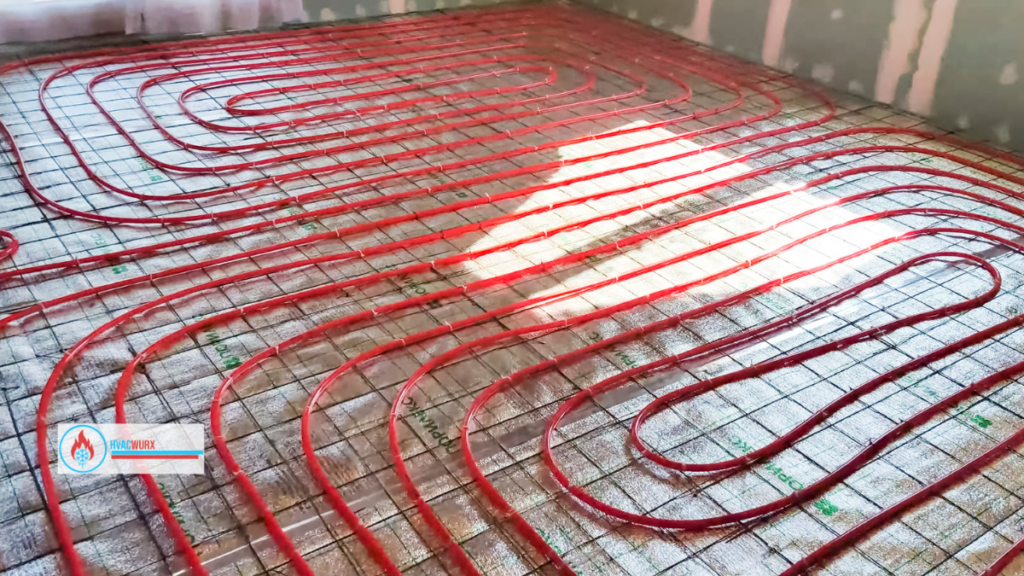
Repair or Replace Your Heating System?
Repair may make sense when the issue is isolated, the system has otherwise been reliable, and it still heats your home effectively.
Replacement may be worth considering when an older system requires frequent or costly repairs, struggles to maintain comfortable temperatures, or is becoming increasingly unreliable.
Before making a decision, consider:
- The age and overall condition of the heating system
- How frequently it has needed repairs
- The cost and extent of the current repair
- Whether it heats your home consistently
- Changes in your heating and energy costs
- How reliable you expect the system to be through another winter
An HVACWurx technician can inspect your current equipment and explain repair and replacement options based on the system’s condition.
What Type of Heating System Is Right for Your Home?
The right heating system depends on your home, existing HVAC setup, energy source, and heating needs.
- Gas Furnace Heating Systems: Gas furnaces use natural gas to produce heat and distribute warm air throughout the home. If your home already has the necessary gas connection and ductwork, a gas furnace may be an option when replacing an existing heating system.
- Electric Heating Systems: Electric heating systems use electricity rather than natural gas to produce heat. Installation requirements and operating costs can vary, so consider both the equipment and your home’s existing setup.
- Heat Pumps: Heat pumps provide both heating and cooling by transferring heat rather than generating it like a traditional furnace. Select the right heat pump based on your home’s heating needs and local climate.
- Other Home Heating Options: Depending on your property and existing equipment, other heating options may also be available. An HVACWurx professional can evaluate your home and explain which systems suit your heating needs.
What to Consider Before Heating System Installation
Choosing a new heating system involves more than selecting a particular model. The equipment needs to work effectively with your home and provide reliable heating throughout the colder months.
- Your Home’s Size and Heating Requirements: The heating system should be properly sized for your home. Square footage, layout, insulation, windows, and other factors can affect how much heating capacity you need.
- Energy Efficiency: Heating systems come in different efficiency levels. Comparing efficiency can help you understand how effectively different systems use energy and what that could mean for ongoing heating costs.
- Existing HVAC Equipment: Your current furnace, air conditioner, ductwork, thermostat, and other HVAC components can influence which replacement options are appropriate.
- Installation Requirements: Some systems may require changes to ductwork, electrical connections, venting, or other parts of your home’s HVAC setup. Identify these requirements before installation begins.
- Long-Term Operating Costs: The purchase price is only one part of a new heating system’s cost. Also consider energy use, maintenance needs, expected repairs, and overall system efficiency.
Why Professional Heating System Installation Matters
Professional installation helps ensure the equipment is properly selected, set up, and tested for your home.
- Correct Sizing and Installation: An HVACWurx professional can determine the appropriate heating capacity for your home and install the equipment according to the system’s requirements.
- Efficiency and System Performance: Proper installation helps the heating system operate as intended. Incorrect sizing or installation can contribute to poor performance, frequent cycling, uneven temperatures, and unnecessary energy use.
- Reliable Heating Through the Winter: Before installation is complete, test the system to confirm it is operating properly.
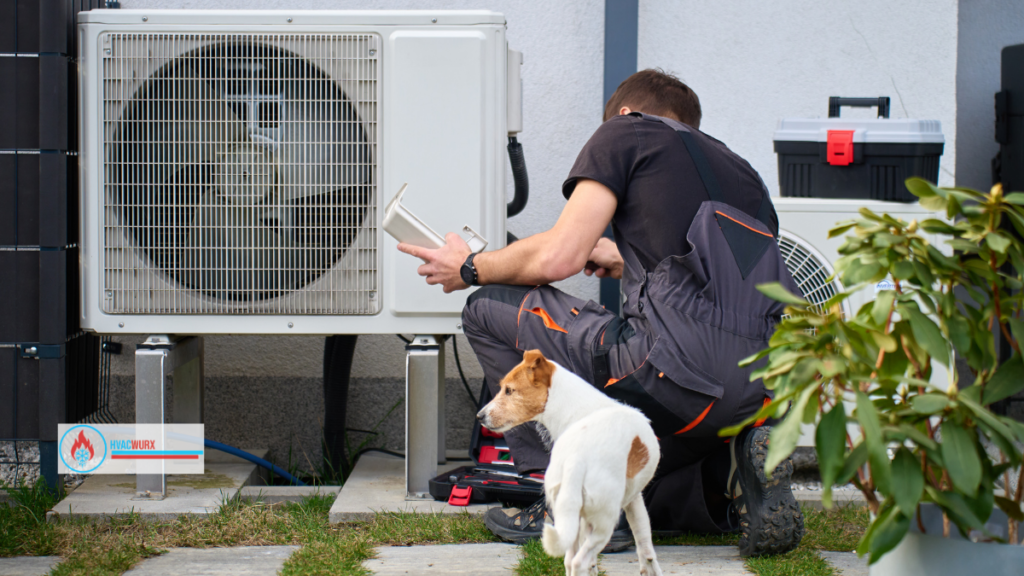
Don’t Wait for the First Cold Day to Think About Your Heating System!
- Call Us: 301-264-7577
- Visit Our Office: 1044 Virginia Ave, Hagerstown, MD 21740
- Book Online: Visit our website to schedule your air conditioning inspection!