
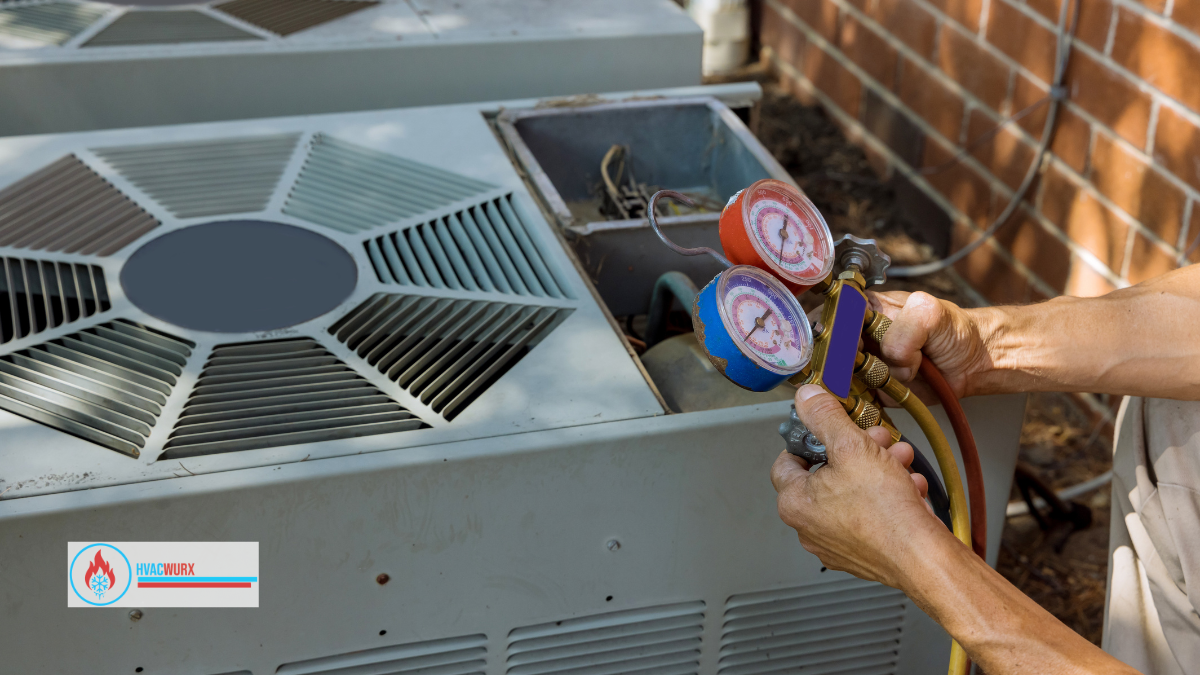
Your heat pump works hard all year long, keeping your home comfortable through chilly winter mornings and warm summer afternoons. Because it runs in both heating and cooling modes, it experiences more wear and tear than many other HVAC systems.
Spring is the best time for heat pump maintenance. Addressing minor issues now helps ensure your heat pump runs efficiently when you rely on it most.
A professional spring tune-up can improve energy efficiency, extend equipment lifespan, reduce utility costs, and help prevent unexpected breakdowns during hot weather.
Proactive maintenance keeps your system operating at its best and gives you confidence that your home will stay comfortable in the months ahead.
Why Heat Pumps Need Attention After Winter
Heat pumps work continuously throughout winter, often running for long cycles to maintain indoor comfort. Unlike traditional furnaces that only heat, heat pumps operate by transferring heat, which means both the indoor and outdoor components stay active even in cold conditions. This extended workload naturally leads to wear and tear.
During winter, the outdoor unit is exposed to rain, frost, debris, and temperature fluctuations. Ice buildup, restricted airflow, and dirt accumulation can reduce efficiency and strain internal components. Inside the system, electrical connections, coils, and moving parts may experience stress from constant operation.
By the time spring arrives, your heat pump has completed one of its most demanding seasons. Scheduling maintenance at this point allows technicians to inspect, clean, and recalibrate the system before it transitions into cooling mode.
Common Issues That Go Unnoticed During Cold Weather
- Reduced efficiency due to dirty coils or clogged filters
- Refrigerant imbalances that affect heating and cooling performance
- Worn electrical components that can fail under continued stress
- Fan motor strain from restricted airflow
- Drainage issues caused by debris or sediment buildup
Because heat pumps are designed to run frequently, slight changes in airflow or sound may not immediately stand out.
A professional spring inspection ensures these minor concerns are corrected before they turn into costly repairs or unexpected system failures during peak cooling season.
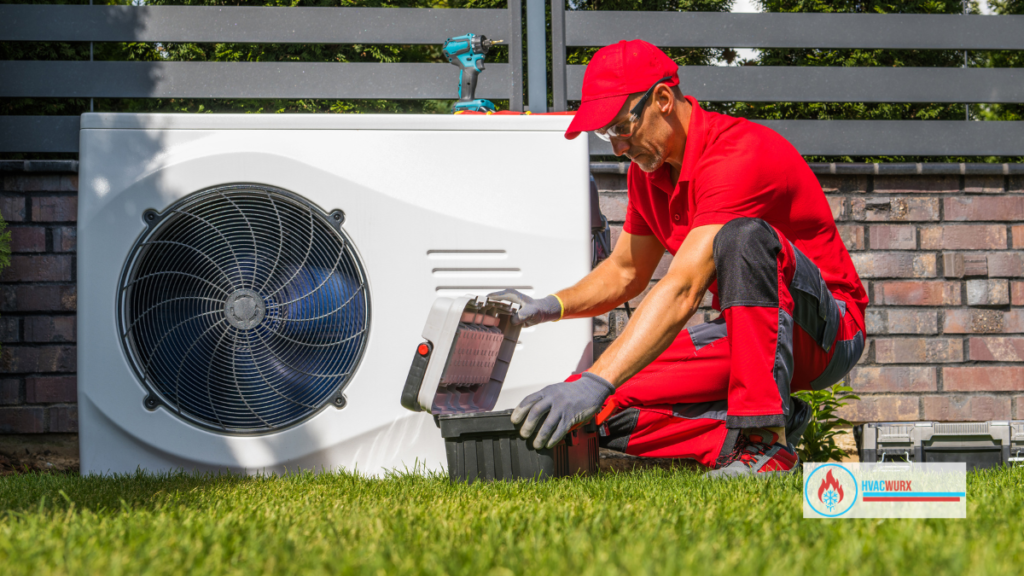
3 Benefits of Scheduling Heat Pump Maintenance in Spring
Proactive maintenance delivers several important advantages for homeowners.
1. Catching Small Problems Before They Become Expensive Repairs
A loose electrical connection, low refrigerant level, or worn component can quietly strain your system over time. If left unaddressed, these small concerns often lead to compressor failure, motor damage, or complete system breakdown.
A spring maintenance visit allows a technician to inspect key components, tighten connections, test performance, and correct developing issues early. Addressing problems at this stage is typically faster, less disruptive, and far more affordable than emergency repairs in peak summer.
2. Improving Energy Efficiency and Reducing Utility Costs
Dust buildup on coils, clogged filters, and restricted airflow all force your heat pump to work harder than necessary. When the system struggles to transfer heat efficiently, energy consumption rises and utility bills follow.
During maintenance, coils are cleaned, filters are checked or replaced, refrigerant levels are verified, and airflow is evaluated. These adjustments help the system operate smoothly and efficiently, reducing wasted energy and lowering monthly operating costs.
3. Extending the Lifespan of Your Heat Pump
Heat pumps are a significant investment, and regular maintenance helps protect that investment. Systems that receive routine service experience less strain, fewer breakdowns, and more consistent performance over time.
By keeping internal components clean, lubricated, and properly calibrated, spring maintenance reduces long term wear and tear. This can add years to the life of your heat pump and delay the need for costly replacement.
What Spring Heat Pump Maintenance Typically Includes
System Performance and Efficiency Checks
Our technician begins by evaluating how your heat pump is operating overall. This includes testing heating and cooling modes, checking thermostat calibration, and verifying that the system cycles on and off properly.
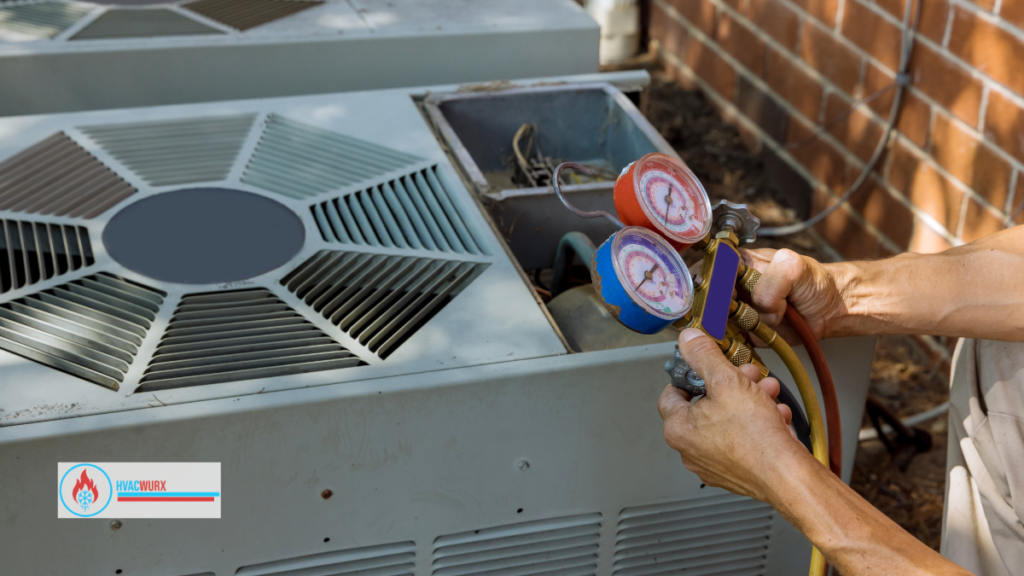
Refrigerant levels are measured to ensure the system can transfer heat efficiently. Incorrect refrigerant levels can reduce performance and strain the compressor.
Our technician also monitors operating pressures and temperature differentials to confirm the system is running within manufacturer specifications.
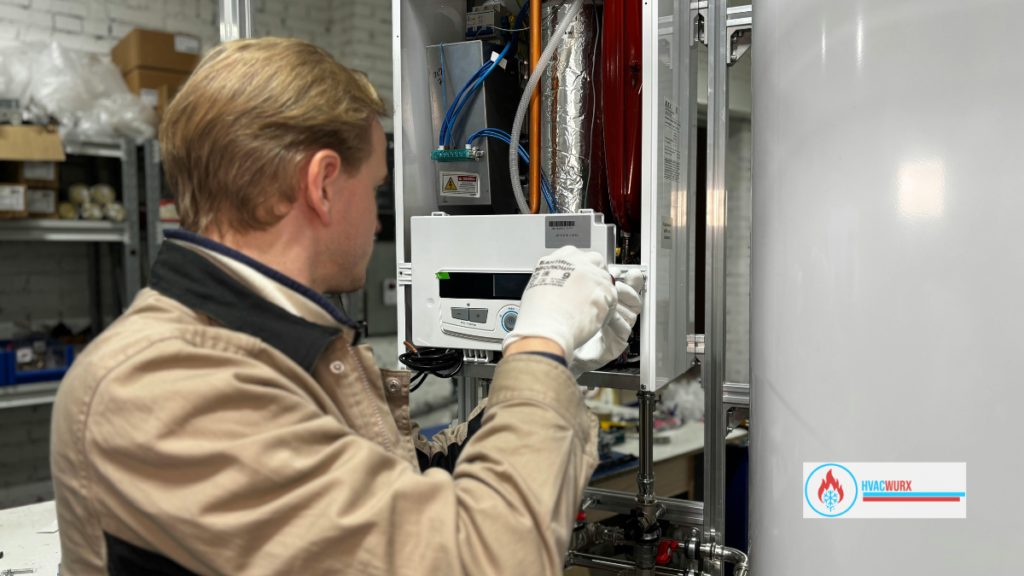
Airflow, Filter, and Coil Inspections
Proper airflow is essential for efficiency and comfort. During maintenance, filters are inspected and replaced if needed to prevent restriction and improve indoor air quality.
The indoor and outdoor coils are examined for dirt, debris, or buildup that can block heat transfer. Dirty coils force the system to work harder, increasing energy use and wear on components. The outdoor unit is also cleared of leaves, grass, and debris that may have accumulated over winter.
Electrical and Component Safety Testing
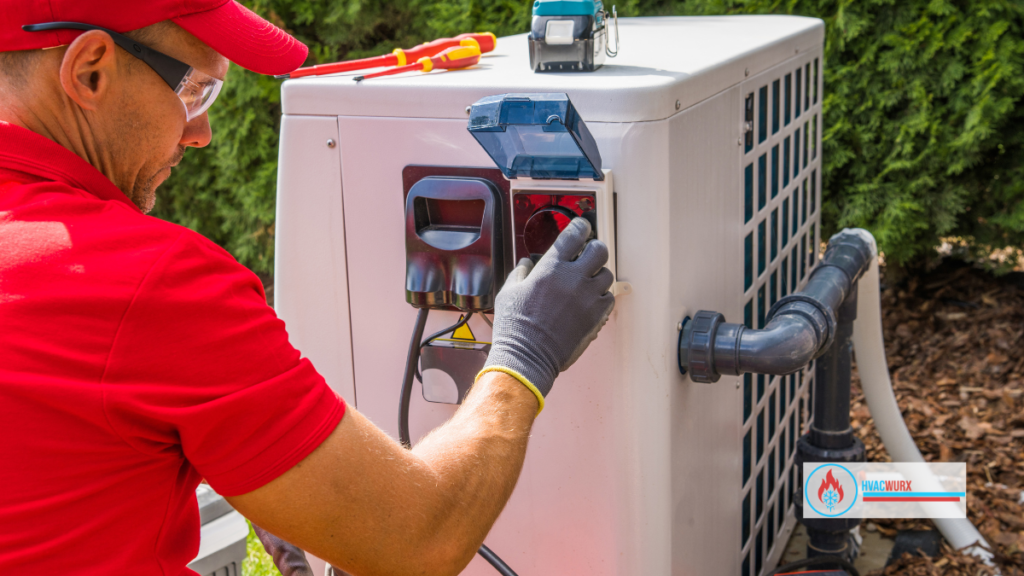
Heat pumps rely on multiple electrical connections and moving parts. During maintenance, technicians inspect wiring, capacitors, contactors, and other electrical components for signs of wear or corrosion.
Safety controls and system protections are tested to ensure proper function. Loose connections are tightened, and any aging components showing signs of failure are identified for replacement before they cause larger problems.
Signs Your Heat Pump Should Be Checked This Spring
Uneven Temperatures or Poor Airflow
If certain rooms feel warmer or cooler than others, your heat pump may be struggling to distribute air evenly. Inconsistent temperatures can be caused by restricted airflow, dirty coils, ductwork issues, or a system that is no longer operating at peak efficiency.
Weak airflow from vents is another warning sign. This may indicate a clogged filter, blower motor strain, or debris buildup in the outdoor unit. Reduced airflow forces your system to work harder to maintain the desired temperature, increasing wear on internal components.
Longer Run Times and Rising Energy Bills
If your heat pump seems to run continuously or takes longer than usual to reach the set temperature, it could be operating inefficiently. Extended run times often point to refrigerant imbalances, coil buildup, thermostat calibration issues, or internal component wear.
A noticeable increase in energy bills without a significant change in usage habits is another red flag. When efficiency drops, your system consumes more energy to deliver the same level of comfort.
Choose HVACWurx for Spring Preventive Maintenance!
Partnering with HVACWurx for all your HVAC and heating needs means you’re choosing a trusted partner dedicated to your home’s long-term comfort and safety.
Contact us today at 301-264-7577 or visit us at 1044 Virginia Ave, Hagerstown, MD 21740.
We’re a family-owned business and pride ourselves on our quality craft and top-notch customer service!