

When allergy season hits Hagerstown, symptoms like sneezing, congestion, and itchy eyes become part of daily life.
Your HVAC system can either help relieve those symptoms or quietly worsen them.
As your system circulates air throughout your home, it can also distribute allergens like dust, pollen, pet dander, and mold spores if it is not properly maintained.
Your HVAC system can become part of the solution rather than the problem. From improved air filtration to targeted upgrades, there are effective ways to create a cleaner, healthier home environment during allergy season and beyond.
How Your HVAC System Makes Allergy Symptoms Worse
Your HVAC system is designed to move air throughout your home, but when it is not properly maintained, it can also move allergens with it. Instead of creating a clean and comfortable environment, it can continuously recirculate the very particles that trigger sneezing, congestion, and irritation.
Dirty Filters Circulate Pollen, Dust, and Irritants
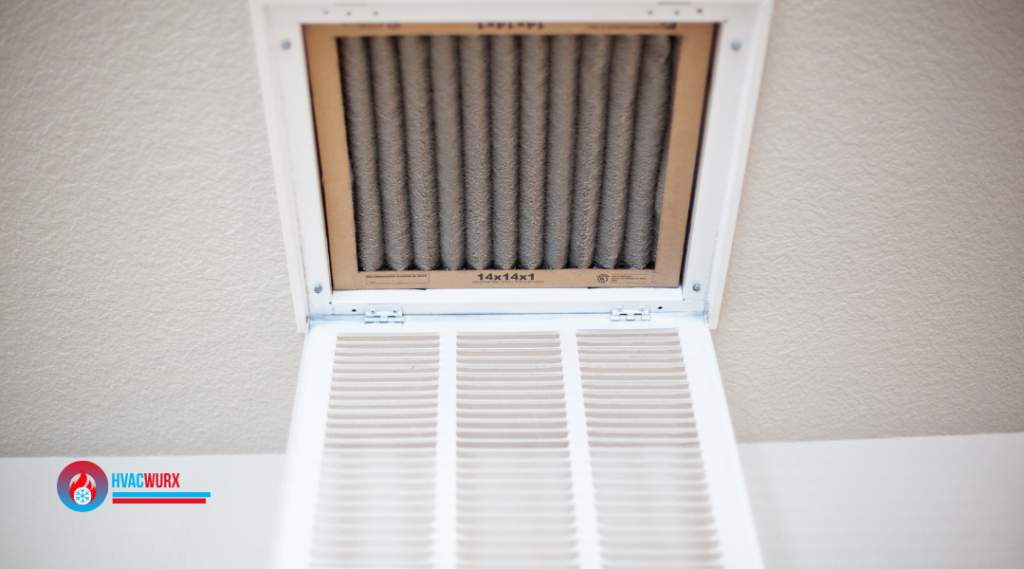
Air filters are your first line of defense against airborne allergens. When they are clean, they trap pollen, dust, and pet dander before these particles can circulate through your home. When they are clogged or overdue for replacement, they lose their ability to capture these irritants. As a result, allergens are pulled into your system and pushed back out into every room, making symptoms worse and reducing overall air quality.
Contaminated Ductwork Spreads Allergens Room to Room
Your ductwork acts as the pathway for air distribution, which means anything inside it can be carried throughout your home. Over time, dust, debris, and even mold can accumulate within the ducts.
Each time your system runs, these particles can be released into the air you breathe. This creates a cycle where allergens are not just present but actively spread from room to room, making it difficult to escape their effects.
Poor Airflow and Indoor Air Quality
When airflow is restricted, your HVAC system cannot properly circulate and filter air. This can lead to uneven temperatures, stagnant air, and higher humidity, creating an environment where allergens thrive.
Poor airflow also puts added strain on your system, making it less effective at maintaining clean air. Addressing airflow issues helps your system operate more efficiently while improving the overall air quality in your home.
What Happens When You Neglect Indoor Air Quality
Indoor air quality is easy to overlook because you cannot always see the problem. But over time, poor air quality can affect everything from your comfort and health to your HVAC system’s performance. Small issues build quietly, and what starts as minor discomfort can turn into costly repairs and ongoing health concerns if left unaddressed.
Restricted Airflow Increases Energy Use and System Strain
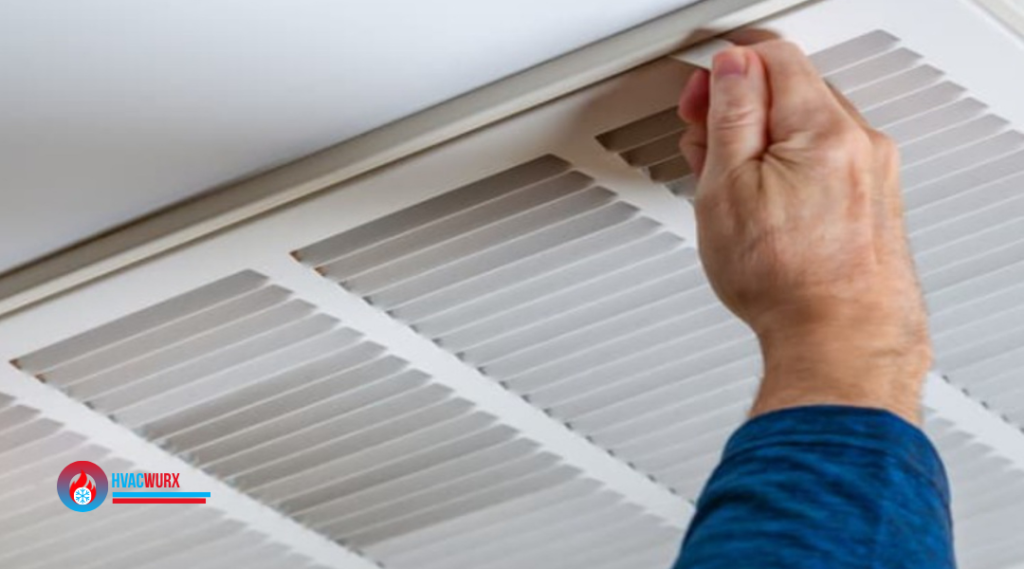
When airflow is restricted by dust buildup, clogged filters, or blocked vents, your HVAC system has to work harder to move air throughout your home. This added effort increases energy consumption and puts extra strain on key components. Over time, this can lead to higher utility bills, more frequent repairs, and a system that wears out faster than it should.
How Dust and Moisture Buildup Can Lead to Mold Growth
Dust and moisture create the perfect environment for mold to develop. When humidity levels are not properly controlled and particles accumulate inside your system or ductwork, mold can begin to grow in hidden areas. Once it forms, it can spread quickly and release spores into the air, impacting both your home and your health.
Mold Remediation vs. Preventive Cleaning
Addressing mold after it has developed is often complex, time-consuming, and expensive. Remediation may require professional cleaning, removal of affected materials, and additional repairs.
Preventive cleaning, on the other hand, is a much simpler and more cost-effective approach. Regular maintenance and air-quality solutions help prevent mold before it starts, saving you time, money, and stress.
Sleep Disruption and Worsening Allergy and Asthma Symptoms
Poor indoor air quality does not just affect you during the day. It can also disrupt your sleep and make allergy and asthma symptoms more severe at night. Airborne irritants can lead to congestion, coughing, and difficulty breathing, making it harder to get the rest your body needs. Improving air quality helps create a healthier sleeping environment so you can wake up feeling refreshed instead of fatigued.
Benefits of Proactive Indoor Air Quality Care
Taking a proactive approach to indoor air quality does more than reduce allergens. It transforms how your home feels day to day. Cleaner air supports easier breathing, better sleep, and a more comfortable living environment for everyone in your home. It also helps your HVAC system operate more efficiently, reducing strain and lowering energy costs over time.
By addressing air quality before problems develop, you avoid the cycle of recurring symptoms, unexpected repairs, and declining system performance. It is a simple shift that delivers long-term benefits for both your health and your home.
Indoor Air Quality Solutions That Make a Real Difference
Not all air quality solutions are created equal. The most effective approach combines proper maintenance, targeted upgrades, and consistent care. When these elements work together, your HVAC system becomes a powerful tool for cleaner, healthier air rather than a source of circulating irritants.
Professional Air Duct Cleaning and System Hygiene
Over time, dust, debris, and contaminants build up inside your ductwork and system components. Professional cleaning removes these hidden pollutants, helping prevent them from being distributed throughout your home. It also improves airflow and allows your system to operate more efficiently. Keeping your system clean is one of the most impactful steps you can take toward better air quality.
High-Performance Filter Upgrades and Replacement Schedules
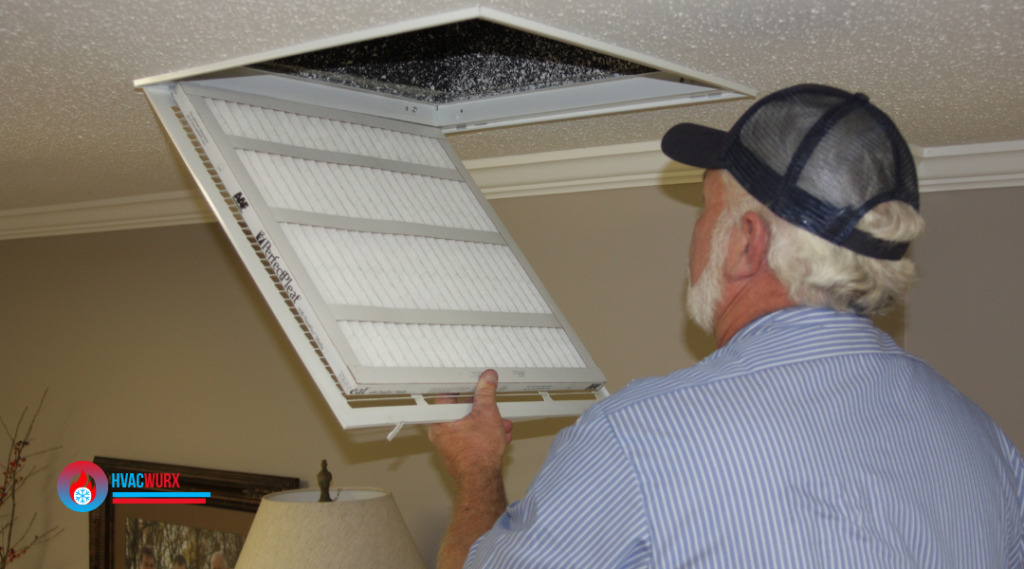
Standard filters are not always enough to capture smaller airborne particles like pollen, pet dander, and fine dust. Upgrading to high-performance filters can significantly improve your system’s ability to trap these irritants. Pairing this with a consistent replacement schedule ensures your filter continues to perform at its best, keeping your air cleaner and your system running smoothly.
Whole-Home Air Purifiers and Ventilation Improvements
For homeowners looking to take air quality a step further, whole-home air purifiers and improved ventilation can make a noticeable difference. Air purifiers work alongside your HVAC system to reduce airborne contaminants, while proper ventilation helps bring in fresh air and reduce indoor pollutant buildup. Together, these solutions create a balanced indoor environment that supports both comfort and health.
Why Hagerstown Homeowners Trust HVACWurx for IAQ Solutions
Hagerstown homeowners trust HVACWurx because we focus on real solutions, not quick fixes. Our team takes the time to understand your home, your system, and your concerns so we can recommend the right approach for lasting results.
We combine professional expertise with straightforward communication, helping you feel confident in every decision. From routine maintenance to advanced air quality upgrades, our goal is simple: to create a healthier, more comfortable home you can rely on every day.
Reliable HVAC Service That Protects Comfort and Health!
Partnering with HVACWurx for all your HVAC and heating needs means you’re choosing a trusted partner dedicated to your home’s long-term comfort and safety.
Contact us today at 301-264-7577 or visit us at 1044 Virginia Ave, Hagerstown, MD 21740.
We’re a family-owned business and pride ourselves on our quality craft and top-notch customer service!