
As summer rolls in, your HVAC system shifts from occasional use to full-time demand.
After sitting idle through the winter, systems often aren’t prepared for the sudden workload that summer brings, leading to inefficiency, poor airflow, and unexpected breakdowns right when you need cooling the most.
HVACWurx’s team makes sure every part of your system is clean, calibrated, and ready to perform under pressure.
1. Preventive HVAC Maintenance Before Peak Heat
HVAC system maintenance the best chance to run efficiently when temperatures rise. It also helps catch small issues before they become expensive repairs during peak season, when service demand is high.
What a Professional Tune-Up Includes
A proper HVAC tune-up is more than a quick check. Our technicians will inspect key components, clean areas that affect performance, and test how the system operates under load.
This usually includes checking electrical connections, testing system controls, inspecting refrigerant levels, and making sure all moving parts are working correctly.
The goal is to make sure your system starts strong and runs reliably when you need it most.
Clean Coils and Calibrated Thermostats Improve Efficiency
Over time, condenser coils collect dirt and debris. This buildup restricts heat transfer and forces your system to work harder to cool your home. Cleaning the coils improves airflow and allows the system to operate more efficiently.
Thermostat calibration is just as important. If your thermostat is not reading the temperature correctly, your system may run longer than necessary or cycle incorrectly. A properly calibrated thermostat keeps your home comfortable without wasting energy.
The Cost of Skipping Pre-Season Maintenance
Skipping maintenance often leads to higher energy bills and reduced system performance. Small issues such as worn parts or low refrigerant levels can go unnoticed until they cause a breakdown. When that happens in the middle of summer, repair times are longer and costs are higher. Preventive service helps avoid these situations and extends the lifespan of your equipment.

2. Indoor Air Quality Solutions for Spring Allergies
Spring brings a noticeable change in air quality, especially in areas where pollen levels rise quickly. Your HVAC system plays a major role in how clean your indoor air feels. Without the right filtration and cleaning, allergens can circulate through your home and settle into your ductwork.
- How Pollen Impacts Your Home’s Air: Pollen enters your home through open doors, windows, and even on clothing. Once inside, it gets pulled into your HVAC system and distributed through the vents. This can lead to increased allergy symptoms, poor air quality, and a layer of dust that builds up faster than usual.
- High-Efficiency Filters vs. Air Purifiers: What You Need: Standard filters are designed to protect your HVAC system, not necessarily improve air quality. High-efficiency filters capture smaller particles, including pollen and fine dust, which helps reduce allergens in the air. Air purifiers take it a step further. Whole home systems can remove airborne contaminants such as bacteria, smoke, and odors. Choosing between the two depends on your needs, but many homes benefit from using both together.
- Creating a Healthier Indoor Environment Before Summer: Improving air quality before summer starts makes a noticeable difference in comfort. Clean ducts, proper filtration, and added purification help reduce allergens and improve airflow. This creates a healthier environment and allows your HVAC system to run more efficiently as temperatures increase.
3. System Upgrades: When It’s Time to Replace Your AC
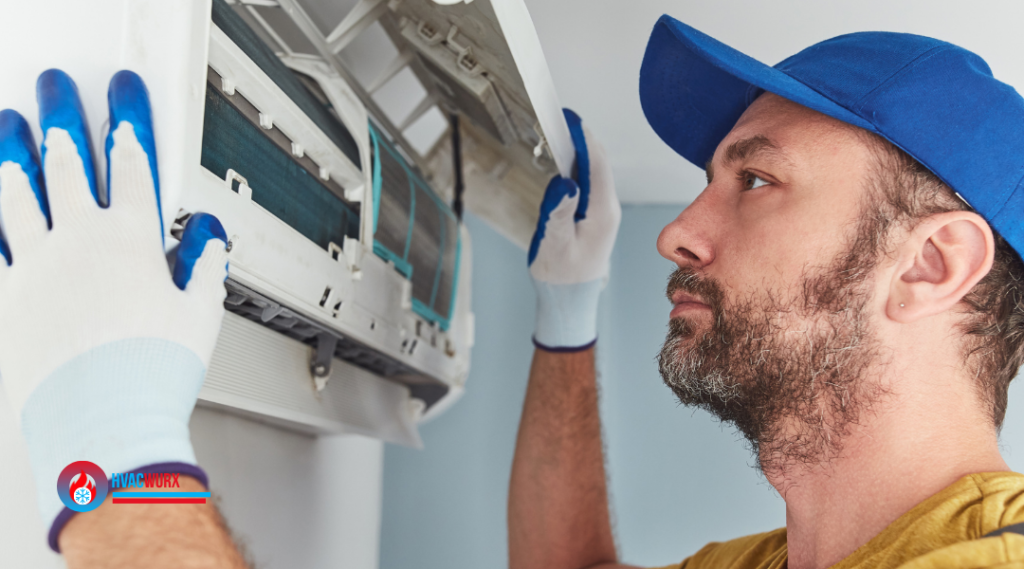
At a certain point, repairs and maintenance are no longer enough to keep your system running efficiently. Older units lose performance over time and struggle to keep up with rising temperatures. Upgrading your system before summer puts you in control, rather than reacting to a breakdown during peak heat.
Signs Your System Is Over 10 Years Old and Struggling
Most air conditioning systems are designed to last around 10 to 15 years. As they age, performance declines. You may notice longer run times, uneven cooling between rooms, or rising energy bills without a clear reason. Frequent repairs are another sign that your system is reaching the end of its lifespan.
If your unit struggles to maintain a consistent temperature or cannot keep up on warmer days, it is often more cost effective to replace it than continue investing in repairs.
Benefits of High-Efficiency Central AC Systems
Newer systems are built to use less energy while delivering more consistent cooling. High-efficiency units cool your home faster and maintain a steady temperature without overworking. This leads to lower utility bills and improved comfort.
Modern systems also offer better humidity control and quieter operation. Upgrading gives you a more reliable system that is designed to handle current climate demands, especially during extended periods of heat.
4. Refrigerant Checks to Prevent Summer Breakdowns
Refrigerant is essential to the cooling process. If levels are off, your system cannot remove heat effectively from your home. Checking refrigerant before summer helps prevent situations where your system runs but fails to cool.
Why Refrigerant Levels Drop After Winter
During winter, your system sits idle for months. Small leaks can develop in coils or connections over time. These leaks are often not noticeable until the system is turned back on and expected to perform under load.
Even a slight drop in refrigerant can reduce efficiency and strain the system as it tries to reach the set temperature.
One of the most common signs is warm air coming from the vents when the system is set to cool. You may also notice longer cooling cycles, ice forming on the outdoor unit, or a sudden increase in energy usage.
These issues indicate that the system is not transferring heat properly and needs attention before it worsens.
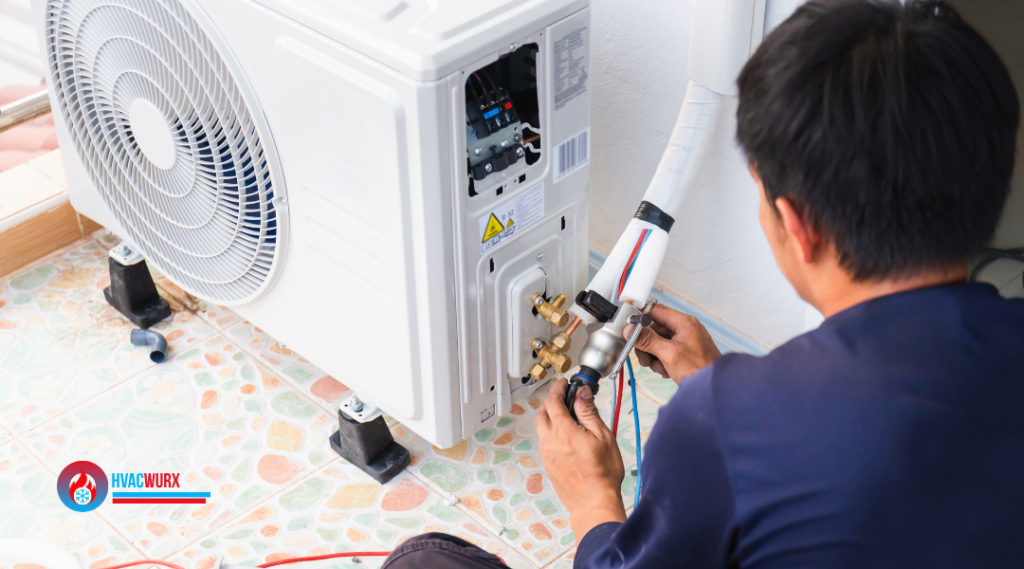
Addressing refrigerant levels early allows your system to operate as intended. A technician will locate any leaks, repair them if needed, and recharge the system to the correct level.
This simple step restores cooling performance and reduces unnecessary strain on the system, helping you avoid a breakdown during the hottest part of the season.
5. Airflow Optimization for Whole-Home Comfort
Even if your system is working properly, poor airflow can prevent your home from cooling evenly. Airflow issues are often overlooked, but they have a direct impact on comfort and efficiency.
Common Causes of Poor Airflow in Homes
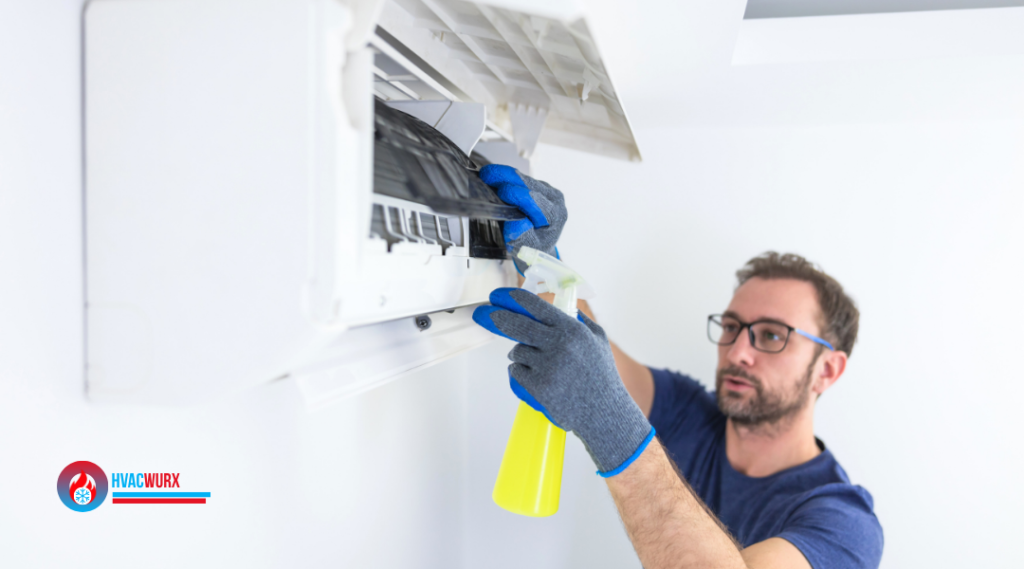
Blocked vents, dirty filters, and buildup inside ductwork are common reasons for restricted airflow. Furniture placement and closed vents can also disrupt how air moves through your home.
Over time, dust and debris collect in the system, reducing its ability to push air where it needs to go.
How Duct Blockages Affect Cooling Performance
When airflow is restricted, your system has to work harder to deliver the same level of cooling. This can lead to hot and cold spots throughout the home and longer run times for your system.
Clearing ductwork and ensuring vents are open and unobstructed allows air to move freely. This improves overall comfort and helps your system run more efficiently without unnecessary strain.
Get Ahead of the Heat: Prepare Your HVAC System with HVACWurx
Partnering with HVACWurx for all your HVAC and heating needs means you’re choosing a trusted partner dedicated to your home’s long-term comfort and safety.
Contact us today at 301-264-7577 or visit us at 1044 Virginia Ave, Hagerstown, MD 21740.
We’re a family-owned business and pride ourselves on our quality craft and top-notch customer service!